How Do You Staff a Restaurant Over Thanksgiving Week?

Current as of October 2026.
Picture a cafe owner who built her November schedule the same way she builds every other month's, and then watched it unravel the week before Thanksgiving when four requests for time off hit her inbox on the same Tuesday. She had coverage for Thursday itself, but Wednesday dinner service was suddenly thin, and the weekend brunch rush she'd planned for was missing two of her three experienced servers. The scramble cost her real money in last-minute overtime, and the stress cost her something harder to measure. Thanksgiving week staffing isn't a once-a-year annoyance. It's among the most compressed, high-stakes scheduling windows on the restaurant calendar, and the owners who get through it well start planning earlier and think about it differently than everyone else.
Why Is Thanksgiving Week So Different for Restaurants?
The challenge with Thanksgiving week isn't just one big day. It's five days that each behave like a different business environment. Wednesday evening is traditionally one of the busiest bar and casual dining nights of the year, as people come home and gather before the holiday. Thursday runs a split personality depending on your concept: full-service restaurants doing prix-fixe or family-style meals can see their highest per-cover revenue of the year, while many cafes and fast-casual spots close entirely or run skeleton crews. Friday pivots toward takeout, gift card purchases, and post-holiday brunch. Saturday and Sunday can spike or go quiet depending on whether your neighborhood empties out or fills up with visiting family.
That means you're not scheduling for one predictable pattern. You're scheduling for five different demand curves inside one work week, with a workforce that has its own travel plans and expectations about what the holiday means for their paycheck.
Does Holiday Pay Have Any Legal Requirements?
This is where a lot of owners make a costly mistake, and it usually comes from assuming that what feels fair and what the law requires are the same thing. Under the federal Fair Labor Standards Act, there is no requirement to pay a premium rate for working on a federal holiday, including Thanksgiving. Hourly employees who work on Thanksgiving are entitled to their regular rate for those hours, plus overtime if they exceed forty hours for the week, but the holiday itself doesn't trigger a legal premium under federal law.
State law is a different story, and it moves fast. A handful of states have historically had "blue laws" or retail restrictions tied to holidays, though most of those have been scaled back or repealed over the past decade. If you're operating in Massachusetts, Rhode Island, or a state with active Sunday or holiday pay requirements, it pays to check current state labor department guidance directly, because the rules are specific to your situation. Questions around how vacation and PTO balance against holiday scheduling are also highly state-specific. For California operators in particular, the rules around how accrued paid time off interacts with scheduling decisions are worth reviewing, and payroll rules for California employers cover some of the specifics worth knowing before November arrives.
What the law requires and what your team expects are two different conversations. Most experienced restaurant workers expect some form of holiday pay, even when it isn't legally mandated. Operators who offer time-and-a-half or a flat bonus for working Thanksgiving Day tend to have far less trouble filling those shifts and far better morale going into the weekend. The cost of that premium almost always runs less than the cost of a staffing gap.
How Do You Fill Shifts Without Burning Out Your Best People?
Split shifts are the most common tool restaurants reach for during high-volume weeks, and they work well when the math is honest. If you need strong coverage for Wednesday dinner and Thursday midday service, asking one person to do both with a gap in between is a reasonable request, but only if the gap is long enough to be genuinely restful and the total pay reflects the inconvenience. A two-hour gap that barely covers a round-trip home isn't a split shift; it's just a long day with an unpaid break in the middle.
A more sustainable approach is to segment your team by shift type for the week. Designate certain staff as your holiday-week daytime crew and others as your evening crew, and protect those lines as firmly as you can. Cross-train your most reliable part-timers on at least one function above their usual role so you have genuine flexibility when something falls through. Your point of sale checkout terminals matter here too, because a system that requires major training to use under pressure will slow down any staff member who isn't working their usual station.
What Does a Staffing Gap Actually Cost You This Week?
A single understaffed dinner service during Thanksgiving week can represent a meaningful percentage of your November revenue, depending on your concept and your covers. If Wednesday dinner runs forty minutes behind on tables and guests start walking, those aren't just lost covers for the night, they're lost checks that were likely to include cocktails, appetizers, and dessert because it's a celebration meal. The average check during holiday dining periods tends to run higher than a typical Tuesday, which means the revenue loss from each turned-away table is amplified.
On top of lost sales, there's the labor premium you'll pay when you backfill at the last minute, whether that's calling in someone on overtime, pulling a manager onto the floor, or compensating exhausted staff after a chaotic service. The compounding effect of all three in one week can land hard on a thin-margin operation.
Practical Setup Checks Before the Week Arrives
Run your payroll calendar before October ends. If you use a payroll service with fixed weekly cycles, confirm that Thanksgiving week hours will process correctly and that any holiday premium rates are built into the system before the week starts. Manual corrections after a pay period closes are a reliable source of errors and staff frustration.
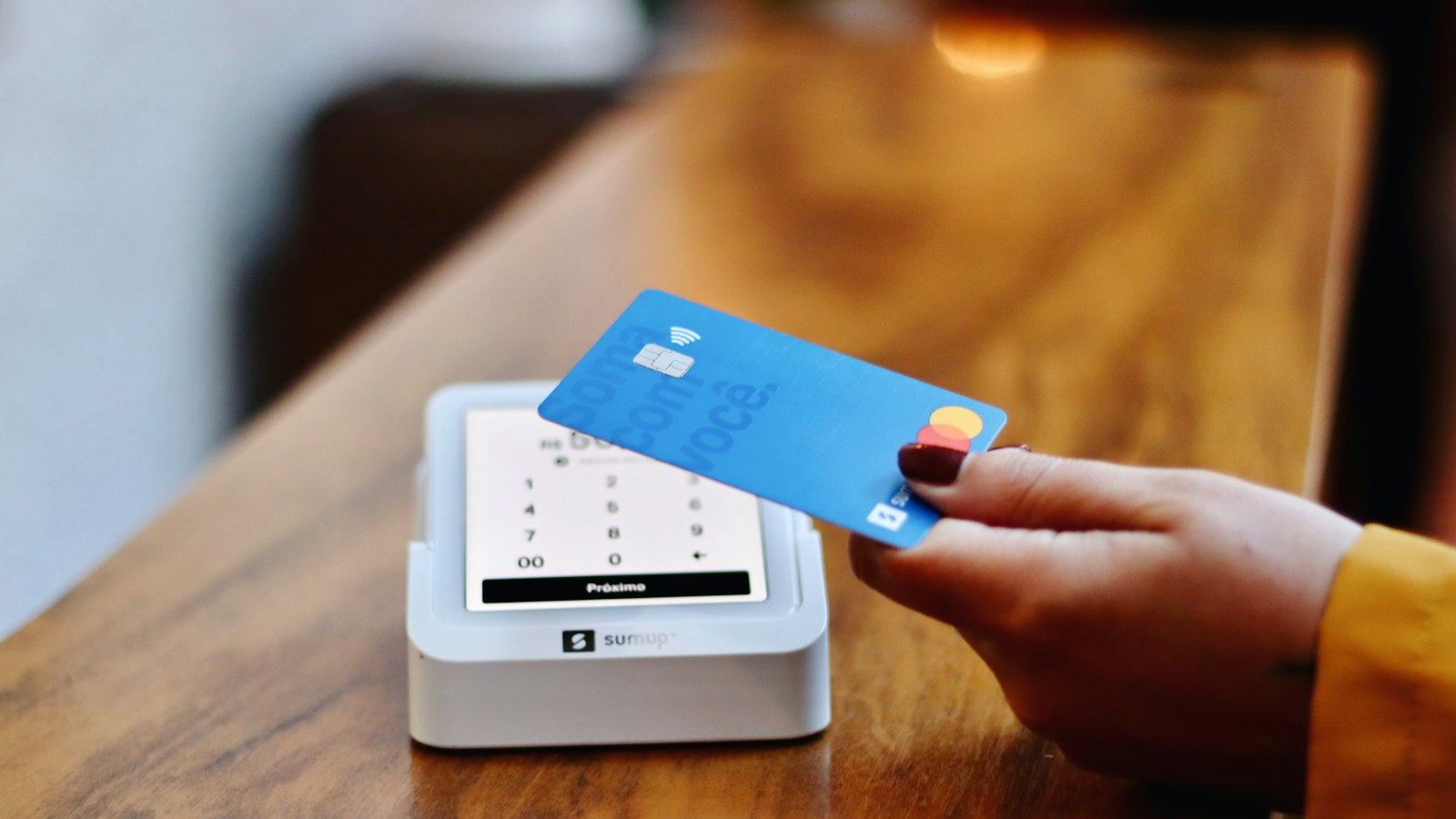
Check your POS system's tipping flow. A restaurant POS with table-side payments lets servers close checks tableside, cutting the time between when guests are ready to leave and when the table turns. If you're selling gift cards, your loyalty program checkout should be tested before Wednesday. Collect time-off requests with a written deadline of at least three weeks out.
Red Flags That Signal a Staffing Problem Before It Happens
Watch for staff who submit Thanksgiving week time-off requests but haven't communicated about them in person. That gap between a written request and a conversation usually signals an employee who isn't sure whether to expect the shift, which means they may accept other plans and call out regardless of your response. A brief one-on-one check-in with anyone whose request you deny, explaining how you arrived at the schedule and what you're offering in return, prevents most of those last-minute no-shows.
How Do Operators Who Run Thanksgiving Week Well Do It?
The owners who avoid holiday meltdowns tend to share a few habits. They publish the schedule in October, offer a clear incentive for working the holiday itself, and keep a trained backup for every critical role. They also adjust labor on slower days so the weekend doesn't hemorrhage payroll on empty tables.
Running a Holiday Week Is Entirely Manageable With the Right Foundation
The difference between a Thanksgiving week that wears you down and one you finish with your team intact comes down to decisions made in October. Early scheduling, honest pay structures, and systems that don't slow your staff down when volume is highest give you the margin to handle the unexpected, and something unexpected always comes up that week.
Common Questions
What Does Holiday Pay Actually Require You to Do?
This is where a lot of owners make a costly mistake, and it usually comes from assuming that what feels fair and what the law requires are the same thing. Under the federal Fair Labor Standards Act, there is no requirement to pay a premium rate for working on a federal holiday, including Thanksgiving.
How Do You Fill Shifts Without Burning Out Your Best People?
Split shifts are the most common tool restaurants reach for during high-volume weeks, and they work well when the math is honest. If you need strong coverage for Wednesday dinner and Thursday midday service, asking one person to do both with a gap in between is a reasonable request, but only if the gap is long enough to be genuinely restful and the total pay reflects the inconvenience.
Your Next Step: Payroll and Payments Ready for the Holiday Rush
Upward Merchant works with restaurant and cafe owners to set up the payment processing, POS terminals, and payroll tools that hold up during the weeks that matter most. Whether you need tableside checkout that speeds up your holiday service or a payroll process that handles holiday premiums without manual headaches, the team can review your current setup and show you what's possible. Reach out at 1-855-GET-UPWARD (1-855-438-8792) or get a free review of your processing fees to see what a better setup looks like before the holiday week arrives.
Sources:
- U.S. Department of Labor. "Wage and Hour Division, Holiday Pay guidance." dol.gov, www.dol.gov/agencies/whd/flsa/2020-holidays.
- National Conference of State Legislatures. "Blue Laws." ncsl.org, www.ncsl.org/labor-and-employment/blue-laws.
- Massachusetts.gov. "Massachusetts Law About Hours and Days of Work." mass.gov, www.mass.gov/info-details/massachusetts-law-about-hours-and-days-of-work.
- California DIR. "DLSE, Vacation/PTO FAQ." California Department of Industrial Relations, www.dir.ca.gov/dlse/faq_vacation.htm.
DISCLOSURE: This article is general information, not financial, legal or tax advice. Upward Merchant helps businesses set up payment processing, POS and related services through partner providers, and rates, approval and terms depend on each business. Mentions of other businesses and organizations are for information only and do not imply endorsement or payment.
Want to know what you're really paying?
Send us a recent processing statement and we'll walk you through it line by line. Free, with no obligation.