How Do You Bill Clients Who Pay Late Every Holiday Season?

Current as of October 2026.
Some years the pattern is so reliable you could set a calendar by it. A client who paid on time in September sends their October invoice late, and by mid-November they've gone quiet entirely. Meanwhile, your own suppliers aren't waiting, your staff still needs to be paid, and the holiday season you hoped would bring a revenue boost is quietly turning into a cash flow hole. Late payment from invoiced clients is among the most common and least talked-about financial stressors for small business owners, and the holiday window is when it bites hardest. that most of it is preventable if you act before October is over.
Why Does Late Payment Get Worse Every Holiday Season?
The reasons are less about bad faith and more about organizational chaos on the client's side. Accounts payable teams shrink over the holidays. Decision-makers take time off. End-of-year budget freezes delay approvals. A client who normally signs off on a payment by the 15th is suddenly waiting for a manager who's out until January. None of that excuses the delay, but knowing it changes how you set up your terms. If you know a client's payment cycle is going to stretch by two or three weeks in December, the time to account for that is right now, in October, not on December 28th when you're staring at an overdue invoice.
The scale of the problem varies by how much of your revenue runs through invoiced billing, but even for a small service business doing $15,000 to $20,000 a month in client work, two or three clients stretching payment by 30 days creates a gap that's genuinely painful. Payroll doesn't pause, rent doesn't pause, and your own vendor invoices won't pause either.
What Invoice Terms Actually Protect You Before the Rush?
The single most effective change most small business owners can make before the holiday season is shortening their payment windows. Net-30 is a default that persists largely out of habit, and for clients with a history of slow payment, it's worth asking whether net-15 or net-10 makes more sense. Some businesses have moved to requiring a deposit upfront, typically 25 to 50 percent of the project cost, before any work begins in November or December. That approach isn't just about protecting against non-payment; it also filters out clients who aren't serious about the engagement.
For retainer clients or anyone you bill on a recurring schedule, automating the invoice send-date so the invoice goes out five to seven days earlier than usual in November and December gives you a buffer against the organizational slowdown on their end. Setting up invoicing and recurring billing to trigger automatically also removes the chance that your own busy season causes you to send invoices late, which only compounds the problem.
Late fees are a legitimate and commonly used tool. If you haven't spelled out a late fee in your contracts and on your invoices, this is the moment to add one before the holiday cycle starts. A standard approach is a flat fee or a monthly percentage applied after a grace period, typically five to seven business days past the due date. Whatever you choose, it needs to appear on the invoice itself, not just in a contract buried in an old email thread. Clients who see a late fee clearly stated on the document in front of them behave differently than clients who know there are no consequences.
How Do You Reduce Payment Friction for Clients Who Want to Pay?
Not every late payment comes from a client trying to avoid paying. Some of it is friction, which means the client would pay on time if the process were easier. A check that needs to be signed by someone who's traveling, then mailed, then deposited, can easily slip three weeks past a due date without anyone intending it to. Giving clients more ways to pay removes that excuse and genuinely speeds things up.
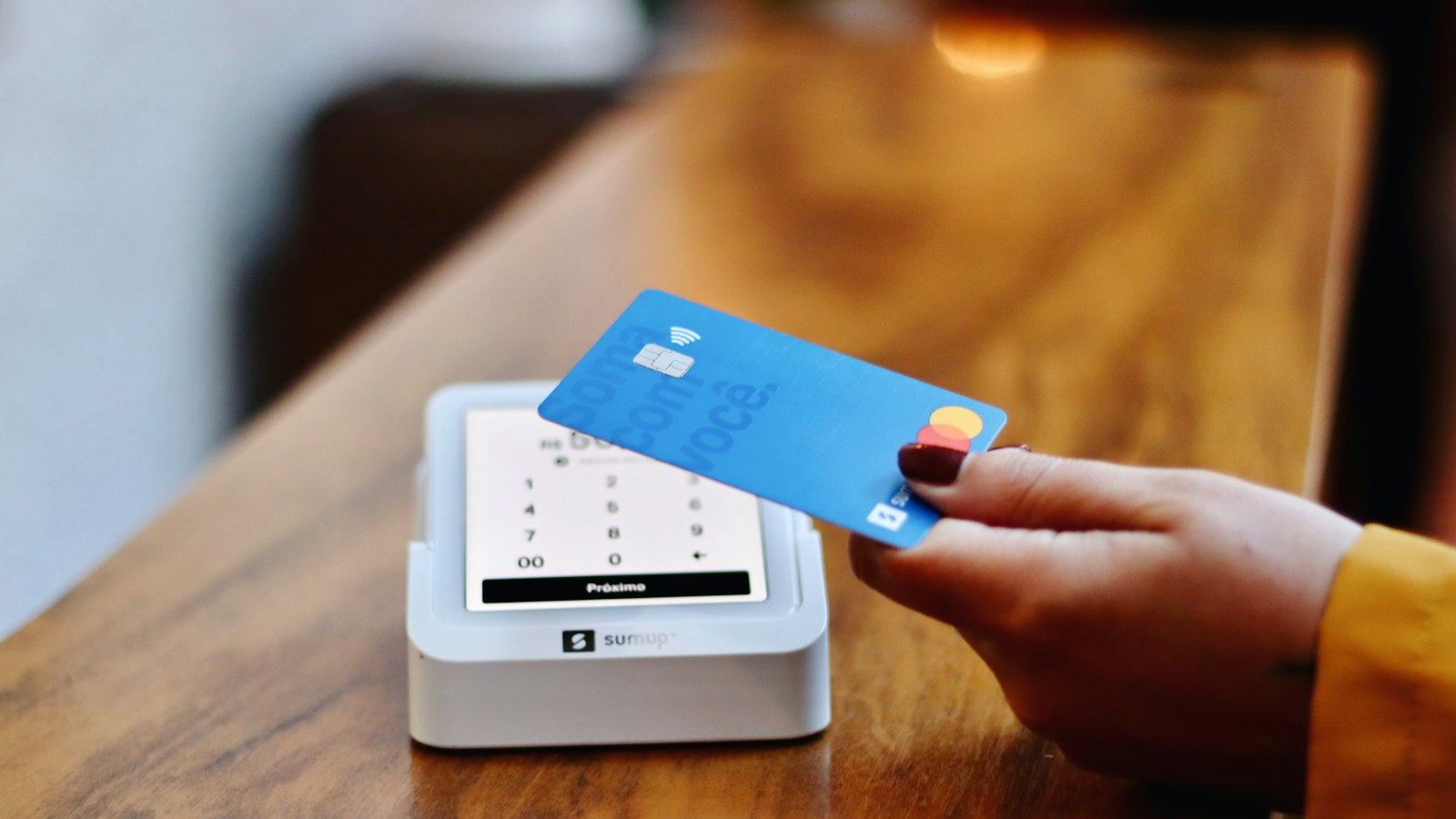
Payment links sent directly in the invoice email let clients pay immediately without logging into a portal or looking up bank details. If you're billing contractors or larger B2B clients, ACH payment options give them a way to pay electronically from their business account without a card, which many corporate clients prefer. For any client who pays online, streamlining the actual checkout experience matters more than most business owners realize, and knowing online checkout options for invoiced clients can meaningfully cut the time between invoice sent and payment received.
What Records Should You Keep When a Client Goes Quiet?
If a client does go quiet over the holidays, the strength of your position when you follow up depends almost entirely on what you documented before the silence started. Keep a copy of every invoice with the date it was sent, the delivery confirmation if you're using email, and any written acknowledgment from the client, even a simple reply that says "got it." If your payment terms include a late fee, keep the contract clause and the invoice language in the same folder.
When you do follow up, do it in writing first. A brief, professional email referencing the invoice number, the original due date, and the outstanding amount is a record of your communication that a verbal phone call is not. If the account moves toward a collections situation, that paper trail matters. Small claims court thresholds vary by state, but many states set limits high enough that unpaid invoices from a single client qualify. Documenting your communications from the start costs nothing and protects you considerably.
What Are the Red Flags That a Client Is About to Slow Down on You?
The clearest warning sign is a pattern that's already in your own records. If you pull your invoicing history and find that a particular client paid late in November and December last year, they'll very likely do it again. That's not a reason to drop the client; it's a reason to adjust your terms for that client, ask for a deposit this season, or move their billing cycle earlier so any delay still lands within an acceptable window.
Other signs to watch for in October: a client who starts disputing amounts they've never questioned before, a client who asks for extended terms for the first time, or a client whose own business seems to be slowing down faster than the seasonal norm. Any of those patterns suggests that the holiday slowdown could turn into something longer.
Keeping Cash Flow Steady When Client Payments Stall
The most resilient small businesses treat the November-December period as a cash flow planning exercise, not just a billing exercise. That means knowing, by late October, exactly which invoices are outstanding, when each is due, which clients have a history of slow payment, and what your minimum monthly cash requirement is. With that picture in front of you, you can make decisions before the pressure hits rather than reacting to each delay as it happens.
Building Better Habits Now Pays Off in January
Getting this right before the holiday rush means January looks completely different. Instead of starting the new year chasing December invoices, you're starting with a clean ledger, clear terms, and client relationships that didn't get strained by awkward payment conversations. Think about what that actually means in practice. Your regulars come back in January already knowing how you handle payments. There are no lingering balances to sort out, no uncomfortable follow-up calls, just straightforward transactions from day one. That kind of fresh start is hard to put a price on.
Common Questions
Why Does Late Payment Get Worse Every Holiday Season?
The reasons are less about bad faith and more about organizational chaos on the client's side. Accounts payable teams shrink over the holidays.
What Invoice Terms Actually Protect You Before the Rush?
The single most effective change most small business owners can make before the holiday season is shortening their payment windows. Net-30 is a default that persists largely out of habit, and for clients with a history of slow payment, it's worth asking whether net-15 or net-10 makes more sense.
How Do You Reduce Payment Friction for Clients Who Want to Pay?
Not every late payment comes from a client trying to avoid paying. Some of it is friction, which means the client would pay on time if the process were easier.
Your Next Step: A Payments Setup That Keeps Cash Moving
Upward Merchant works with small business owners to set up invoicing, payment links, and ACH billing that make it easier for clients to pay on time and harder for payments to fall through the cracks. If your current setup relies on clients manually cutting checks or finding your bank details in an old email thread, there's a better way to run it. A quick conversation can show you exactly what your options are. Reach out at 1-855-GET-UPWARD (1-855-438-8792) or get a free review of your processing fees to get started.
Sources:
- U.S. Small Business Administration. "Manage Your Finances." www.sba.gov/business-guide/manage-your-business/manage-your-finances.
- Federal Reserve Banks. "Small Business Credit Survey." newyorkfed.org, www.newyorkfed.org/smallbusinesscredit.
DISCLOSURE: This article is general information, not financial, legal or tax advice. Upward Merchant helps businesses set up payment processing, POS and related services through partner providers, and rates, approval and terms depend on each business. Mentions of other businesses and organizations are for information only and do not imply endorsement or payment.
Want to know what you're really paying?
Send us a recent processing statement and we'll walk you through it line by line. Free, with no obligation.